
Battery Thermal Management System(BTMS)
-

NF Electric Vehicle Thermal Management Solutions
The main task of the battery thermal management system is to control the temperature of the power battery and ensure that it operates in the optimal working range, thereby improving battery performance, extending service life, and preventing safety hazards such as thermal runaway.
-
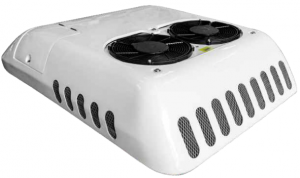
Battery Cooling System For Electric Vehicle
The main task of the battery thermal management system is to control the temperature of the power battery and ensure that it operates in the optimal working range, thereby improving battery performance, extending service life, and preventing safety hazards such as thermal runaway.
-
Battery Cooling&Heating Integrated System Solution For EV
The main task of the battery thermal management system is to control the temperature of the power battery and ensure that it operates in the optimal working range, thereby improving battery performance, extending service life, and preventing safety hazards such as thermal runaway.
-

EV Battery Thermal Management System BTMS Solution
Battery Thermal Management Systems (BTMS) are a critical technology in fields such as electric vehicles and energy storage systems. They employ scientific temperature control methods to maintain battery packs within an optimal operating temperature range (typically 25°C to 40°C) and ensure temperature uniformity across the pack, thereby safeguarding battery safety, performance, and longevity, as well as the overall energy efficiency of the vehicle.


